Detroit — Jared Rodgers has had to miss work and travel waiting on Mike Duggan’s Detroit to keep its promises.
Now, with a new mayor in town, and Duggan running for governor, Rodgers is still waiting.
Rodgers, 44, bought a home in the State Fair neighborhood. To Rodgers, the open space and the relative lack of neighbors were features, not bugs. He bought three adjacent empty lots to fortify his property.
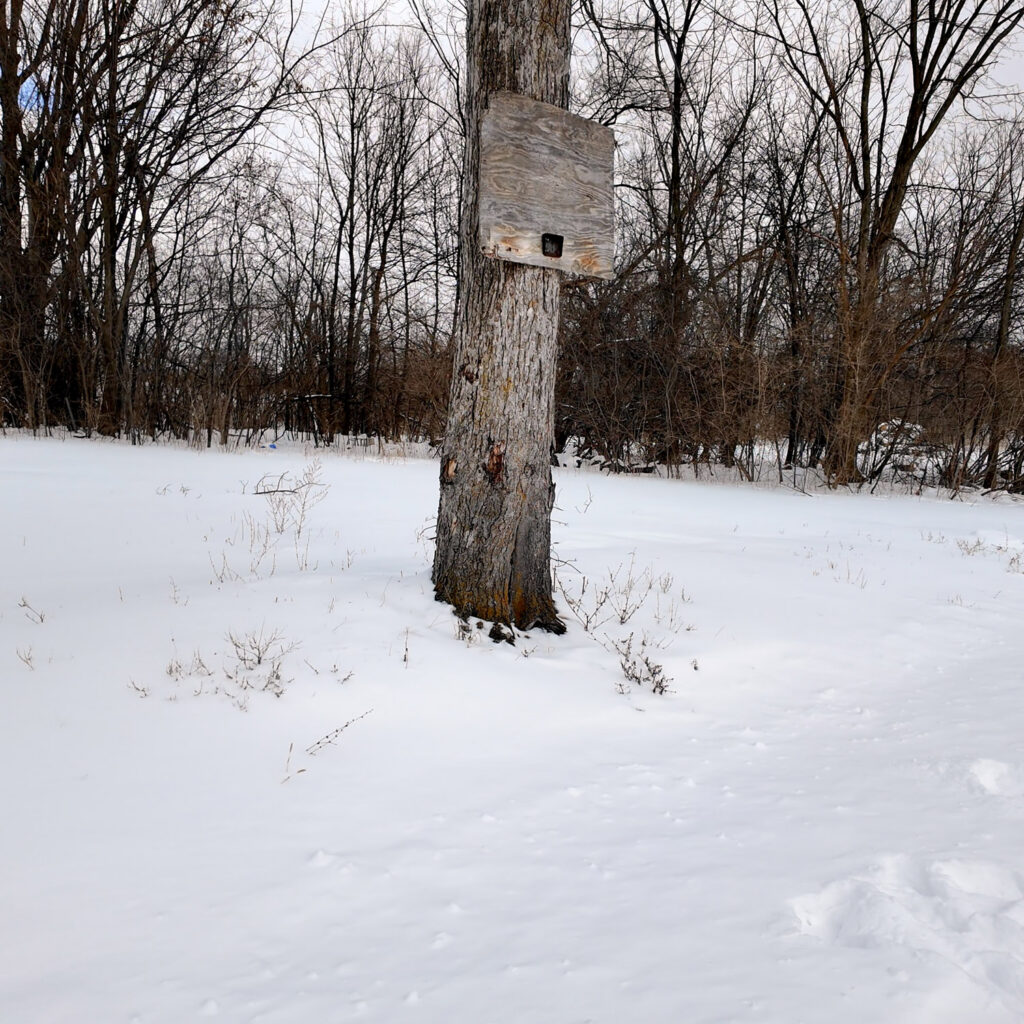
Then, the city came knocking on Rodgers’ door. Then Mayor Mike Duggan decided his neighborhood should now be a solar neighborhood. And it would need those three side lots. Price: $2,500. For all three.
The city wasn’t asking, it was telling.
Rodgers sold, feeling he had no options.
But the deal came with a sweetener: Detroit would pay for “up to $25,000” in energy-efficiency upgrades for homeowners who stayed, like himself, and would soon be neighbor to solar panels.
More than a year later, that hasn’t happened. Not the upgrades, and not the solar panels.
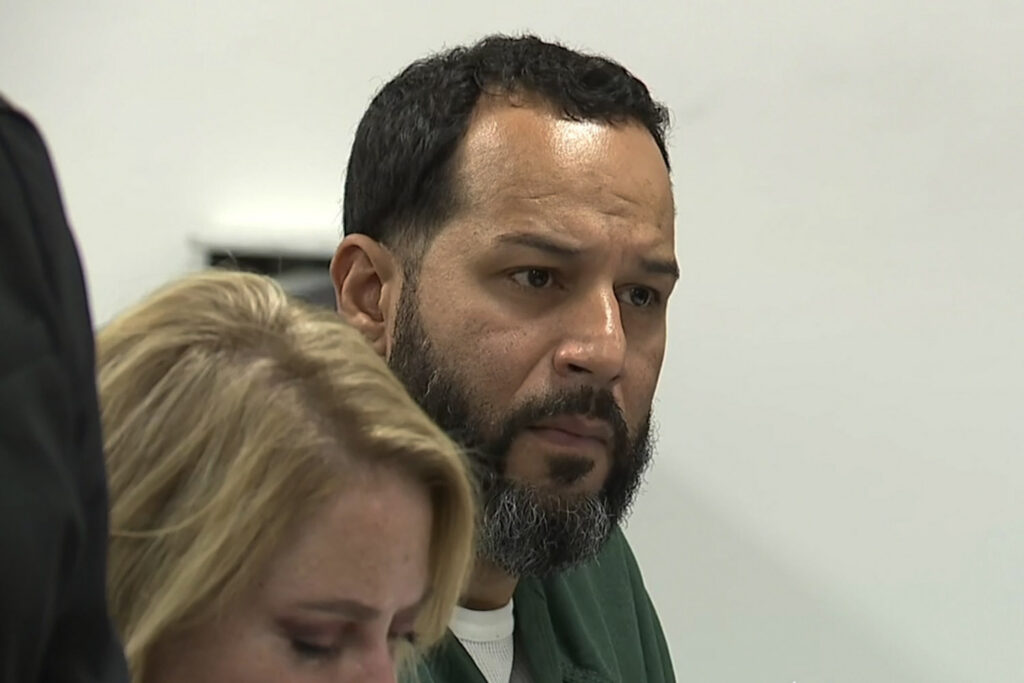
“I’ve canceled travel plans for jobs out of town, because they say they’re going to start immediately,” Rodgers told Michigan Enjoyer. “I’ve had 10 contractors walk through my home. And nothing has happened.”
The promises made but not kept include window replacements, a new water heater and new furnace, and a new washer and dryer. The list of proposed fixes keeps changing and at one point included a new sewer line.
But nothing happens.
It was only after selling his side lots that Rodgers met Darin McLeskey, a real-estate investor who had also owned a home in the neighborhood.
McLeskey is one of the people behind the Detroit Solar Scam website, a group of neighbors and former neighbors who are pushing back on the city’s use of eminent domain.
“I’m heartbroken that all of this beautiful land is being taken,” Rodgers told Detroit Solar Scam.
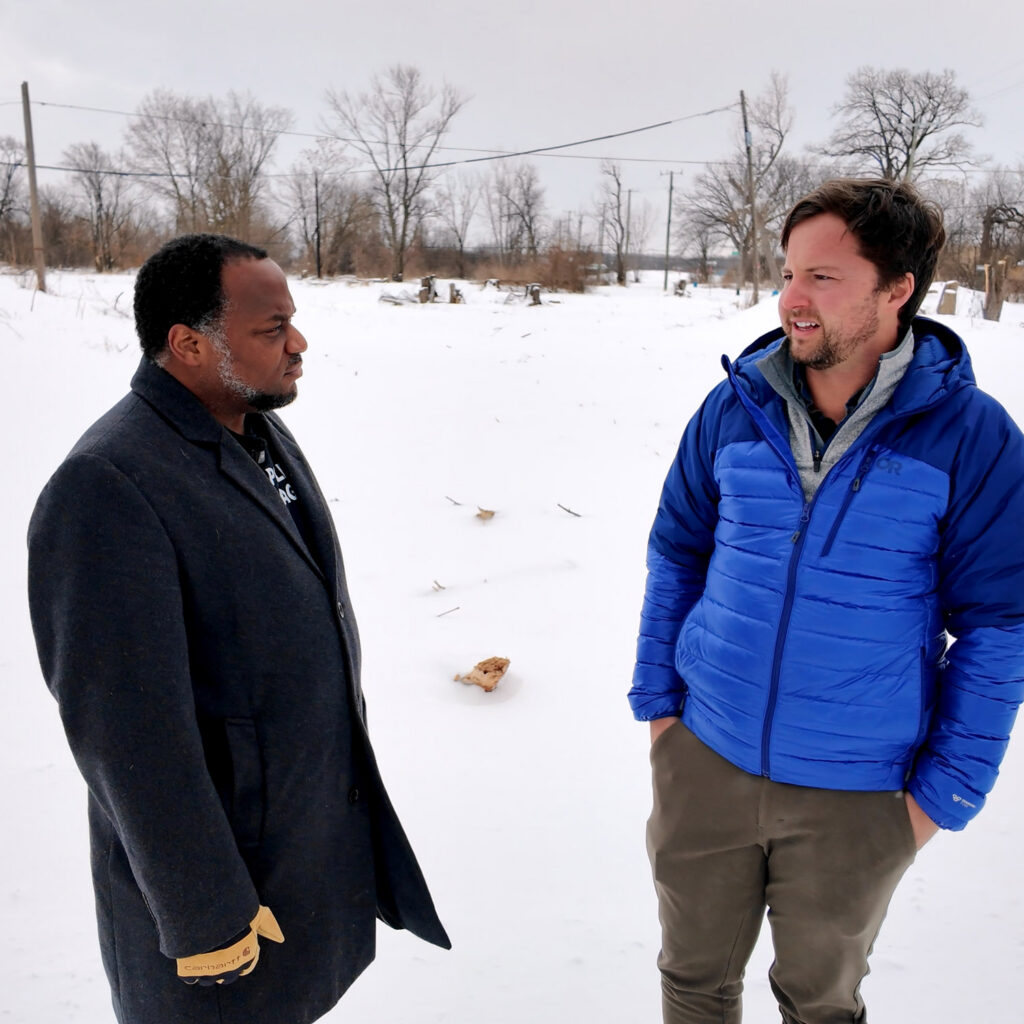
When the city claimed his home at 784 Fernhill, McLeskey fought back. Ultimately, he got a settlement north of $70,000.
“And I wouldn’t have got that much if I didn’t have the resources to fight back,” McLeskey told Enjoyer. “Other people got trampled.”
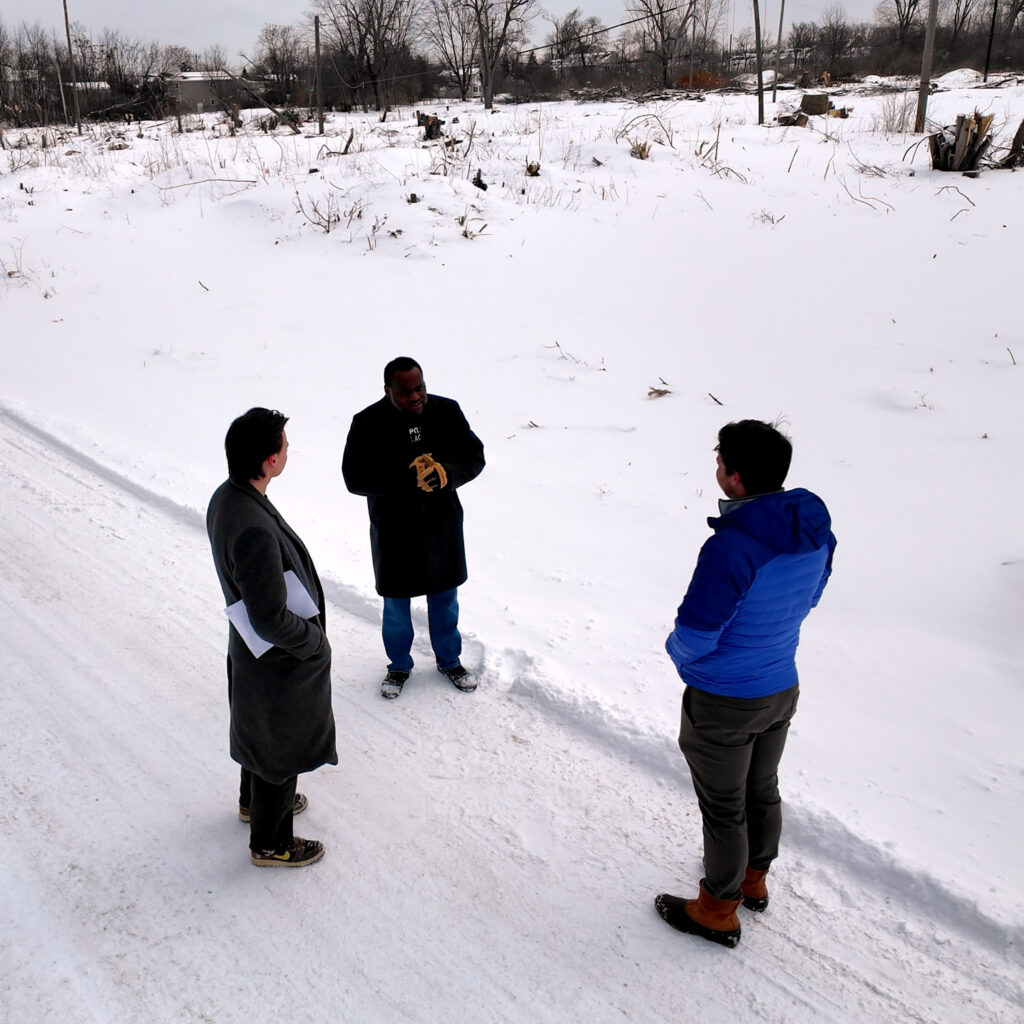
McLeskey bought in the State Fair neighborhood thinking the area, with its proximity to Woodward and Eight Mile, could rebound.
The houses are in rough condition, but they are people’s homes, McLeskey said.
Neither Rodgers nor McLeskey has a problem with renewable energy. McLeskey drove into the neighborhood in a Tesla Cybertruck. It’s the city’s approach, and its plans, they take issue with.
Rodgers thinks that rooftop solar, at high elevation, would be a smarter option than a ground-level solar field.
McLeskey notes that the Amazon warehouse in the neighborhood, which is in eyeshot of his now-demolished home, is not topped with solar panels.
Both men like solar energy. But they didn’t want their land taken, by force, for the sake of solar power. Not in a city with plenty of empty land, and a population one million shy of its glory days.
“I thought Detroit wanted more people, not less,” McLeskey said.
“When I ran for mayor, I laid out a 10-point plan we called, ‘Every Neighborhood has a Future,’” Duggan said last year, as the city broke ground on the first solar neighborhood. “And the 10th point was that those blocks that might only have one person left per block, that we would find a way to swap them out and clear those neighborhoods.”
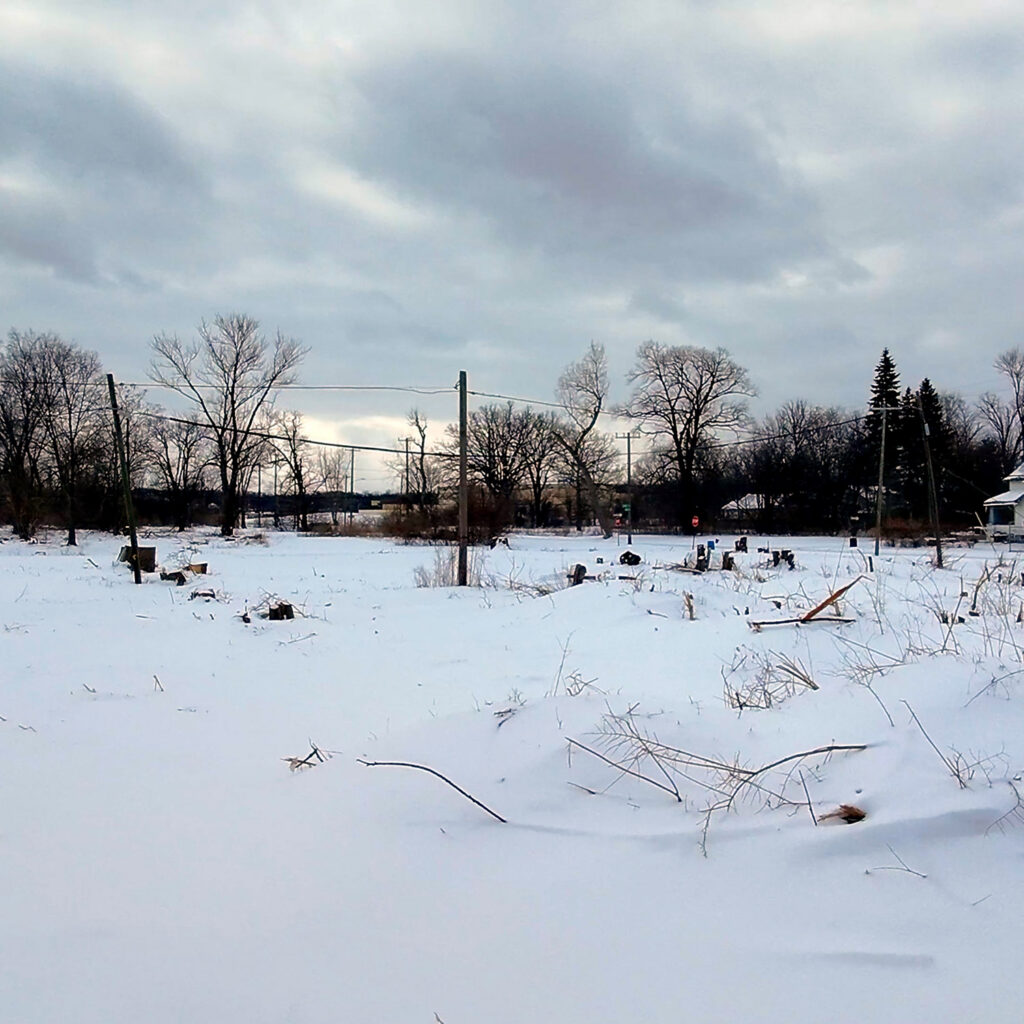
In 2019, Duggan joined the “Climate Mayors Steering Committee. The Michigan Chronicle described it as “a group of twenty-four mayors across the nation who collectively will serve as a leading voice in efforts to further climate action.”
Years later, Mike Duggan—“a leading voice in efforts to further climate action”—would use the power of eminent domain to further those efforts. People would be pushed out in favor of solar panels. Property rights would be liquidated. All for supposed sake of Mother Earth.
In the old days, if the railroad wanted your land, it got your land. Eminent domain was a mere formality; the politicians were bought off long ago. You took what the company offered, or you got railroaded.
That dynamic still exists today. The governor appoints the three members of the Michigan Public Service Commission. They regulate the energy field in Michigan.
In 2023, at the urging of Gov. Gretchen Whitmer, state law changed to empower these appointees to overrule local decisions on solar and wind projects. If a local community says no, but the appointees say yes, the answer is yes.
Last year, Mike Duggan’s Detroit solar-paneled people out of their land.
Next year, if Duggan were elected governor, anyone, anywhere in Michigan could get solar-paneled out of theirs. If that’s what the cause of climate action demands.
James David Dickson is host of the James Dickson Podcast. Join him in conversation on X at @downi75.