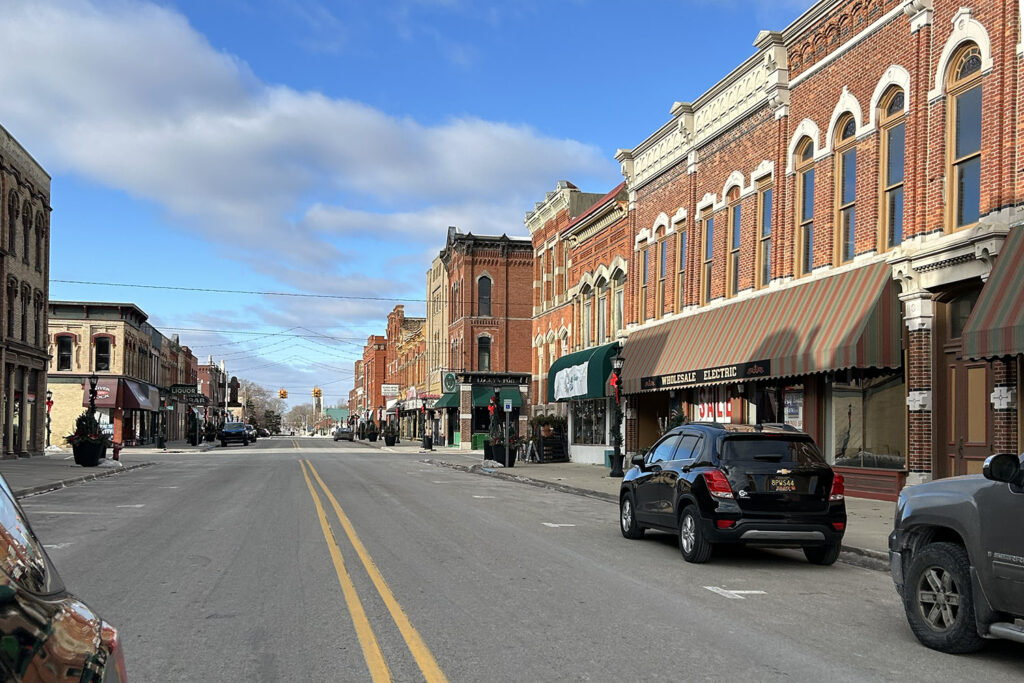
Bay City — Democracy works best when it works quietly. You vote, someone represents you, and the gears of government turn with steady predictability.
But in Michigan’s 35th Senate District—which covers Bay, Midland, and Saginaw counties—that rhythm has been missing for nearly a year.
Only now has Gov. Gretchen Whitmer scheduled the means for a replacement: a primary on Feb. 3, 2026, followed by a May 5 general election. Voters here will finally have the chance to elect someone to speak for them in Lansing.

When Kristen McDonald Rivet resigned on Jan. 3, 2025, to take her seat in Congress, most expected a quick special election for Michigan’s 35th Senate District. Instead, the seat remained vacant.
Months rolled into seasons, and the seasons stretched toward a year. By the time the next senator is sworn in, residents will have gone more than a year without representation—a modern Michigan record.
Whitmer’s office described the delay as fiscally efficient, since aligning the special election with the 2026 cycle saves state resources. Inside the affected communities, however, “efficiency” has carried a different meaning.
School districts finalized budgets without an advocate. Cities filed grant requests without a partner in Lansing. Infrastructure plans advanced without a local voice in the room.
Earlier this year, residents of several municipalities across the region participated in “No Kings Day.”
Yet the symbolism was impossible to miss. The same communities honoring representative government were, at that moment, without representation—a contradiction that landed differently depending on who you asked.
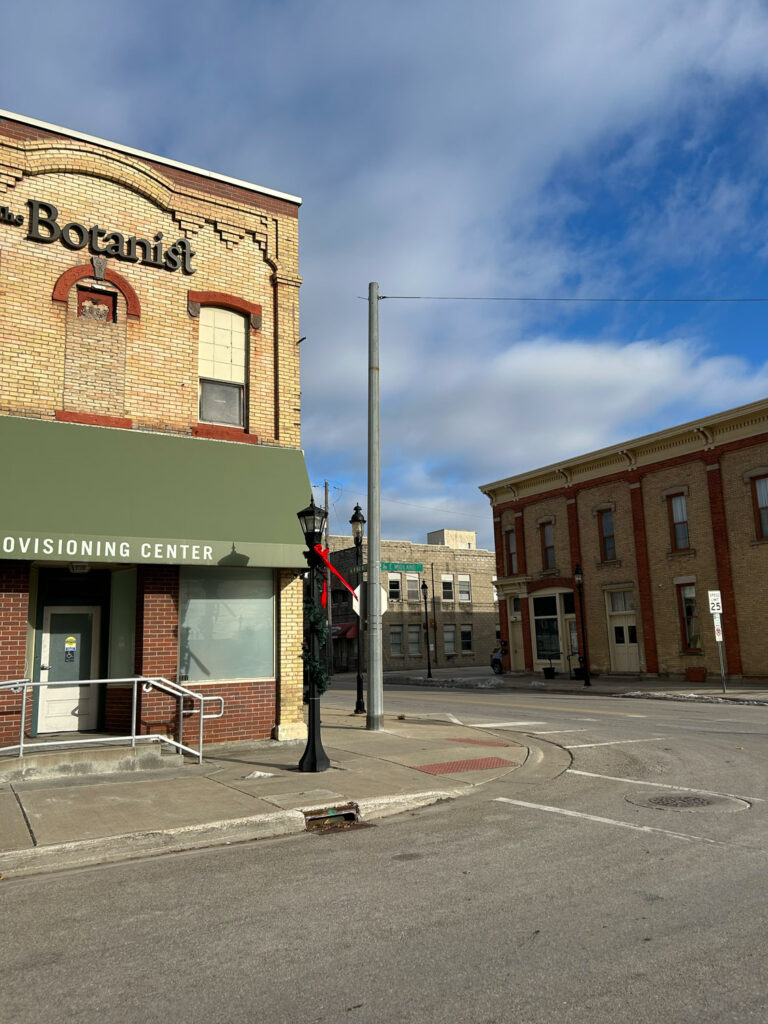
It reflects something deeper about modern political culture. National stories dominate the airwaves—presidential trials, high-profile hearings, viral clips. Meanwhile, over 269,000 Michiganders lost their state senator and the moment barely registered.
Yet it is the state government, not Washington, that determines school funding, infrastructure dollars, water quality projects, and defines the mechanics of daily life.
For many outside the region, the natural question is simple: How did this happen without public outrage? Most residents never knew. The vacancy was not treated as a crisis by Lansing, and coverage in local media was limited.
People assumed things were operating normally. And in a region known for patience—and for giving institutions the benefit of the doubt—many stuck to familiar habits: writing emails, attending meetings, waiting for answers.
During the vacancy, the Michigan Senate passed major legislation that directly affected the district. Without representation, no one from Bay, Midland, or Saginaw counties was able to amend bills, negotiate for funding, or advocate for local priorities.
If this vacancy had occurred in Detroit, Grand Rapids, or Ann Arbor, it likely would’ve been resolved within weeks.
The political implications are significant. A Republican win could produce an evenly divided Senate. A Democratic victory could preserve the governor’s majority.
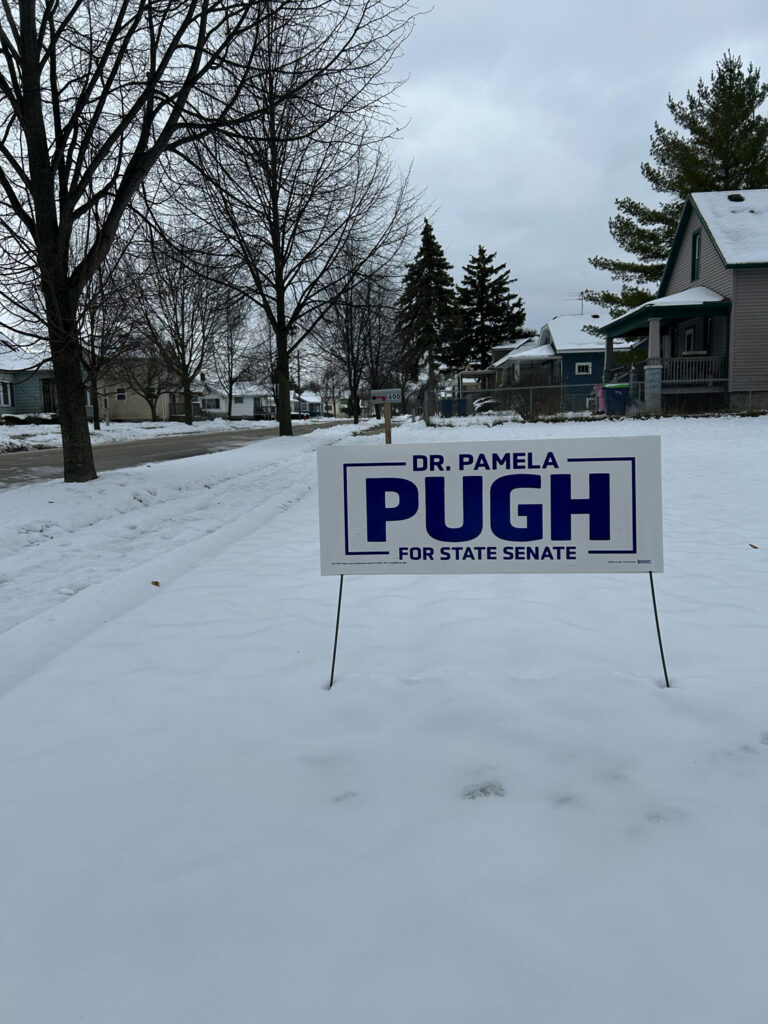
Voters will face a February primary before the May general election, and several candidates have already emerged as early frontrunners:
- Pamela Pugh (D) — President of the State Board of Education and the best-known candidate in the field. Her recent involvement in high-profile education policy debates has put her squarely in the spotlight, for supporters and critics alike.
- Andrew Carlos Wendt (R) — A former teacher and eight-year Saginaw City Council member. Wendt has built his campaign around education reform and parental oversight, and his prior governing experience sets him apart on the GOP side.
- Chedrick Greene (D) — Backed by Bay City Mayor Christopher Girard and Rep. Kristen McDonald Rivet. Greene has gained noticeable momentum through local endorsements and a message centered on community-level engagement.
- Brandell Adams (D) — A younger, grassroots-driven candidate focused on economic mobility and direct outreach. Adams has been steadily building support among new and first-time voters.
With a February primary ahead, the field still has room to shift, but these four have positioned themselves as the most viable contenders going into a compressed election timeline.
Inside the 35th District, however, the stakes are much simpler. People just want their representation back.
Landen Taylor is a musician and explorer living in Bay City. Follow him on Instagram @landoisliving.