Michigan’s bottle and can return program, which has been in place since 1977, has seen a significant decline since Covid. Only 70% of the bottles and cans purchased in Michigan are being returned to Michigan retailers, an 18% decrease since 2019.
That may seem pretty high, until you consider nearly a 100% return rate at the program’s peak in 1993. We can blame part of the program’s failure on Gov. Gretchen Whitmer’s excessive lockdowns, which included a halt to can and bottle returns.
In fact, of the 10 states that offer a bottle deposit, Michigan was the only one who shut down return centers. More practically, a dime isn’t worth what it was in 1977.
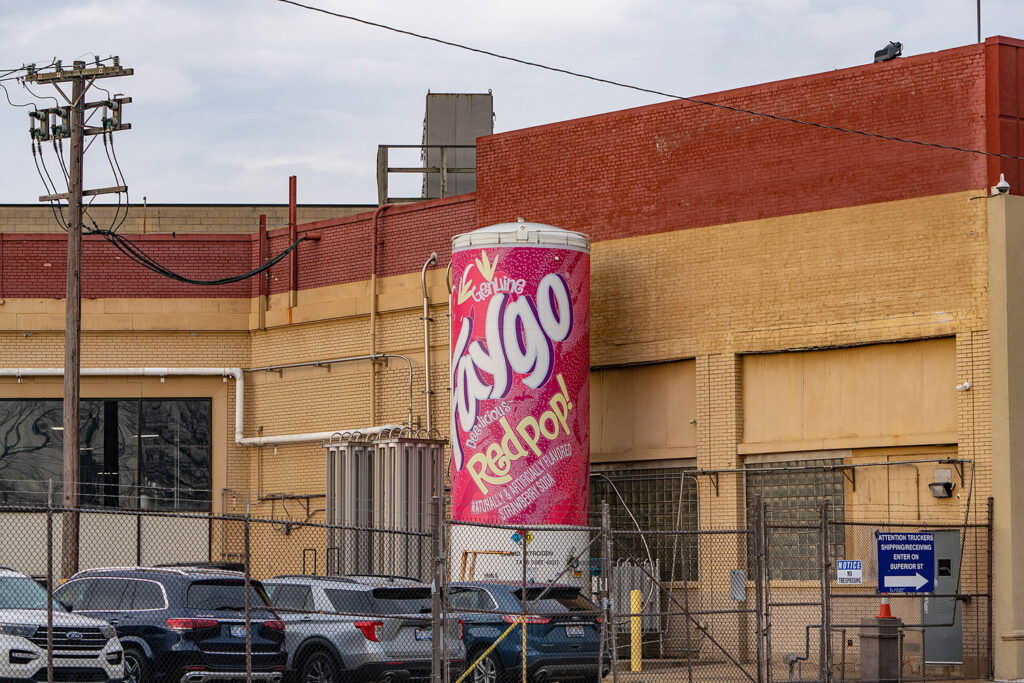
When Michigan’s Bottle and Can Return Deposit program launched that year, the cost of your Faygo was approximately 20 cents plus a 10-cent deposit. You paid 30 cents but were incentivized to return the can or bottle to receive a third of your money back.
In 2025, that same Red Pop costs 89 cents plus a 10-cent deposit, representing just 10% of your initial investment.
Unclaimed returns run into the tens of millions each year. A small portion of that is given to the Michigan State Police to enforce the law. The remaining 75% is sent to environmental cleanups and 25% to retailers.
Policymakers have considered a revision of Michigan’s can and bottle return law to include water bottles, and some have suggested an increase in the deposit amount.
Adding a 10-cent deposit to water bottles would immediately increase the price of your bottled water from $3.50 to $6.04. It would almost double the cost of already inflated beverages.
A 20-cent return would make the cost of your Red Pop $1.09, still less than 20% of your initial investment. Inflation is to blame for the lack of returns, so why offer it as a solution for the problem?
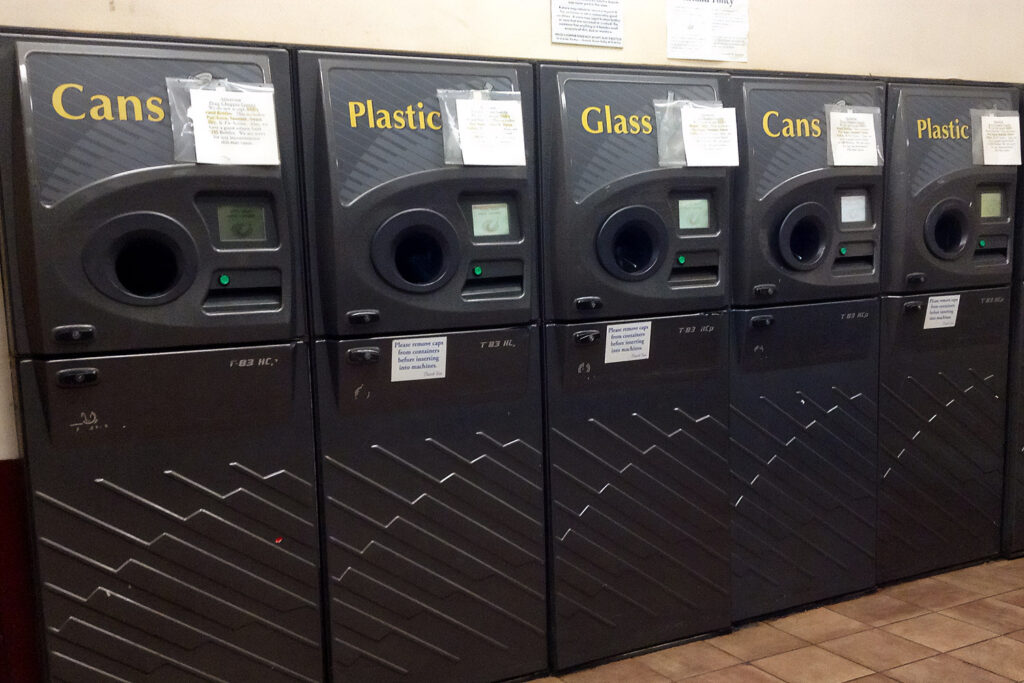
Another obstacle to can and bottle returns is the return process. Cans and bottles have to be manually inserted into dank, sticky machines one at a time. Any can or bottle not available for sale at the return center is rejected.
Modernizing the process, or expanding the law to include universal return centers or even curbside recycling, may be the best solution to increase Michigan’s can and bottle return recycling rate.
The money currently allocated to the State Police, retailers, or cleanups could easily be used to put a new system in place.
Or we could put an end to the program altogether. Throw your cans and bottles into your recycling bin. No need to spend your precious time returning them for a dime. Adding bottles and cans to the curb with other recyclable items could boost Michigan’s 25% recycling rate.
Doing so would also immediately reduce costs on your beverage bill and put more money back in the pockets of thirsty Michiganders.
Anna Hoffman is a hockey mom of three living in Ann Arbor. Follow her on X @shoesonplease.