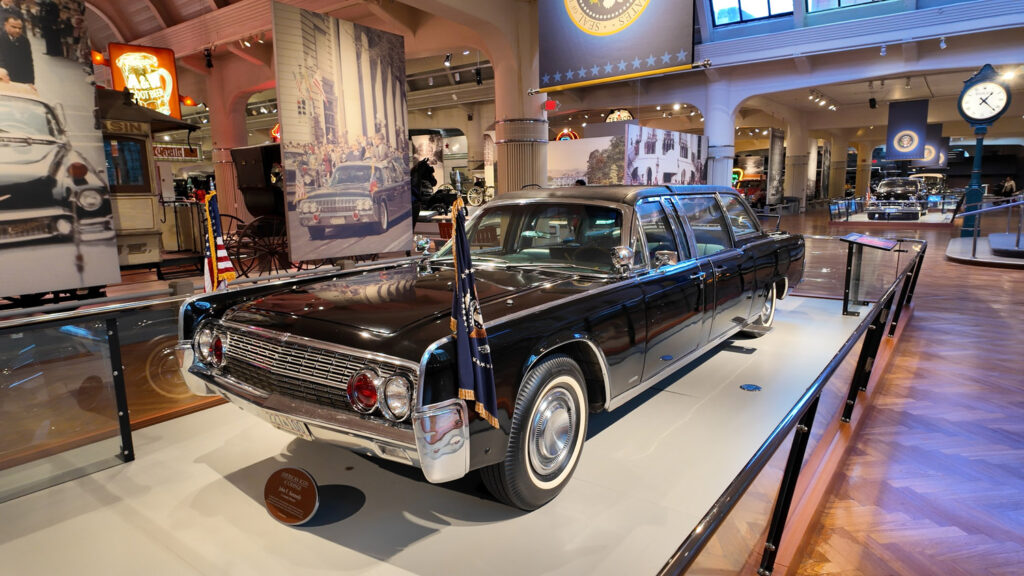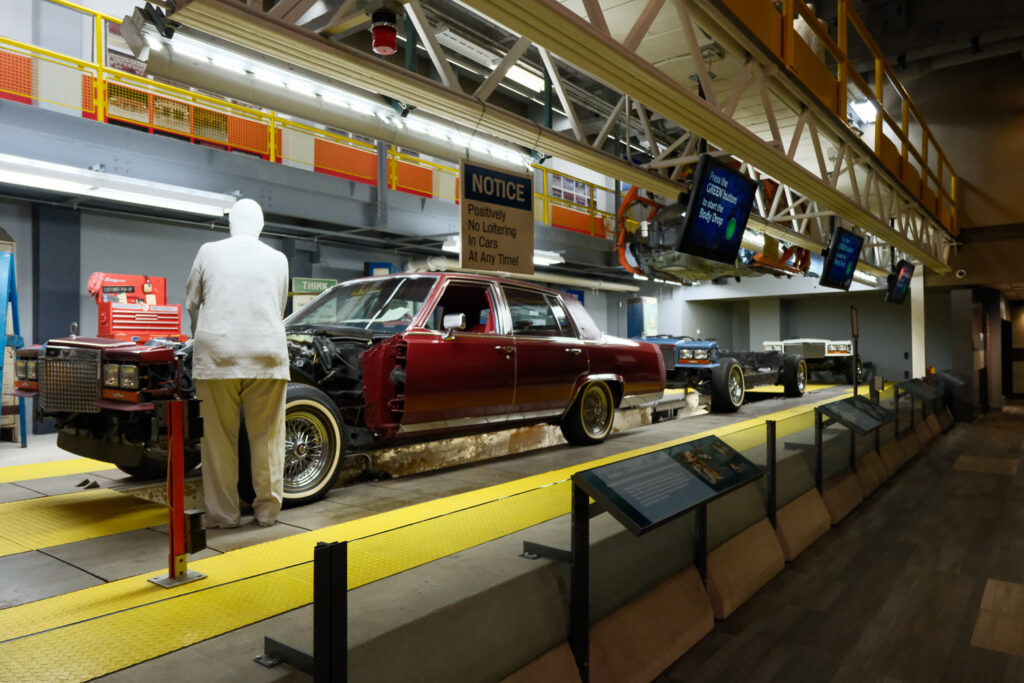
The Detroit Auto Show starts later this week, promising to showcase the latest and greatest in North American automobile innovation. The event is a far cry from the glory days, when it used to be a truly peak happening. We can’t blame a lapse in the catering, but something more profound.
American automotive companies used to innovate, and the vehicles they showcased each year were wondrous and new. The last few decades have seen that slow to a crawl, with just incremental improvements, rather than world-shifting new tech.
Let’s start with the original mass produced vehicle, the Model T. The first one rolled off the line in Detroit in 1908. It was the first reliable, easily maintained, and mass-marketed motor vehicle in the world. Few things changed the structure of human civilization more in the 20th century.
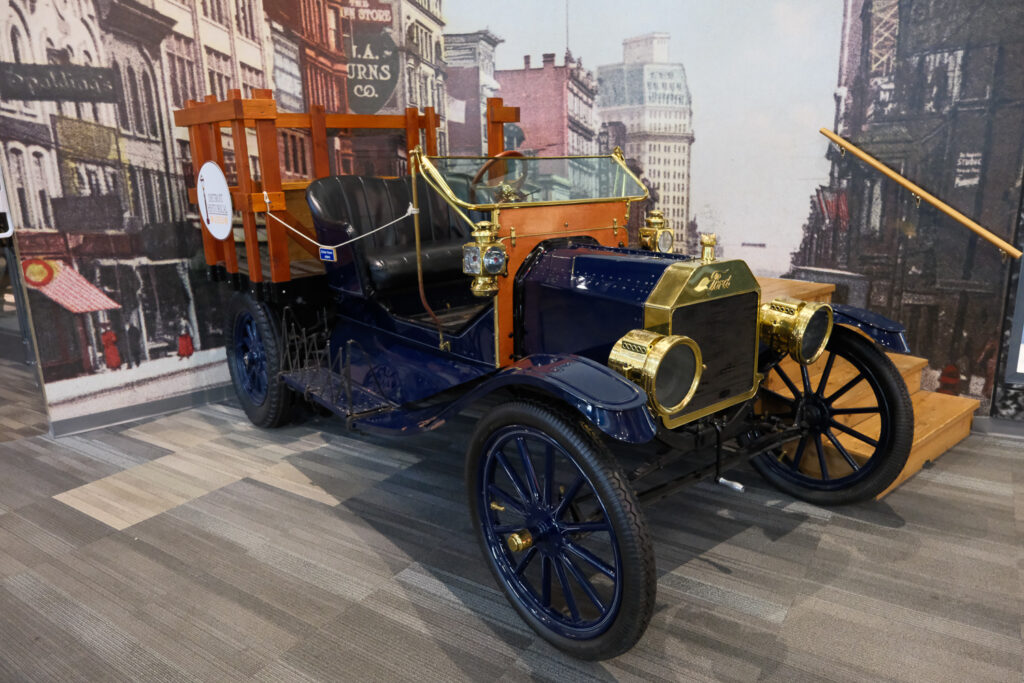
This was earth-shifting new technology. The automobile era completely upended previous ways of life, altering the human environment completely. Millions of miles of new roads were built to accommodate cars, and highways began to criss-cross our cities and countryside.
Few cities understand this more than Detroit, so plainly built for motor vehicles with its broad streets and avenues. Detroit didn’t just make the first cars, it was the first automotive city, built up with a belief in the supremacy of automotive transport.
Like with most new technologies, those early decades showed rapid advances and iterations. The now primitive Model T quickly gave way to more sophisticated vehicles, enclosed and less open to the elements, with more powerful motors and better suspensions.
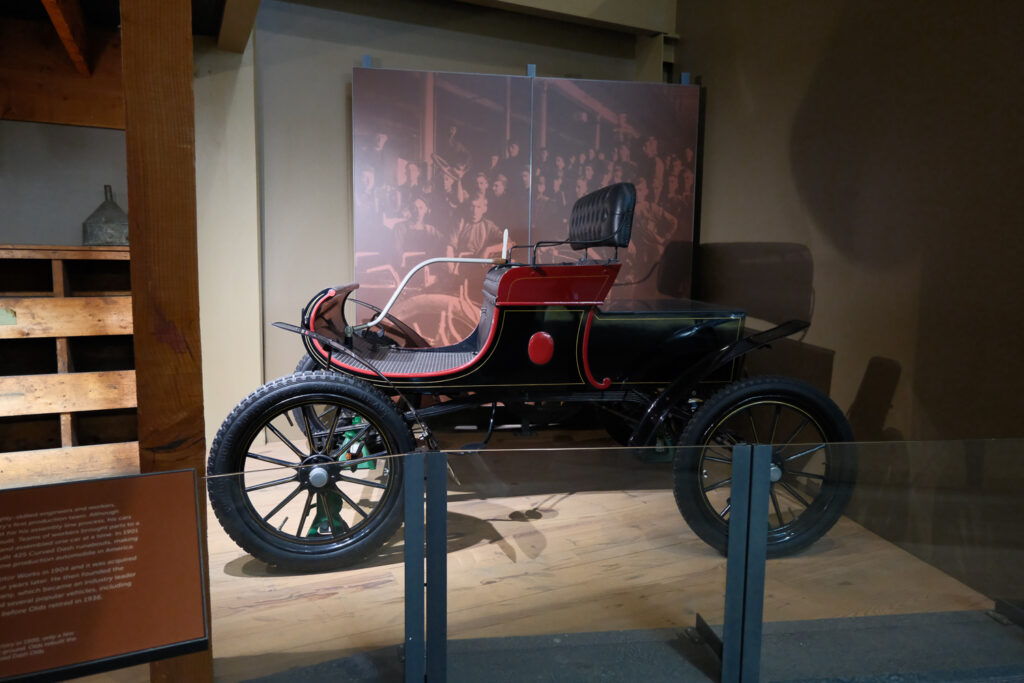
By the golden age of the 1950s and ’60s, domestic automotive production hit its zenith. Streets filled with metal and glass, big hulking machines designed with streamlined grace. Vehicles of the era, despite their immense weight, were shapely and pointed, with designs far more eye-catching than the vehicles of today.
There were generational leaps in technology as well. Automakers were willing to take risks and try new things on their own, without government regulations telling them they had to.
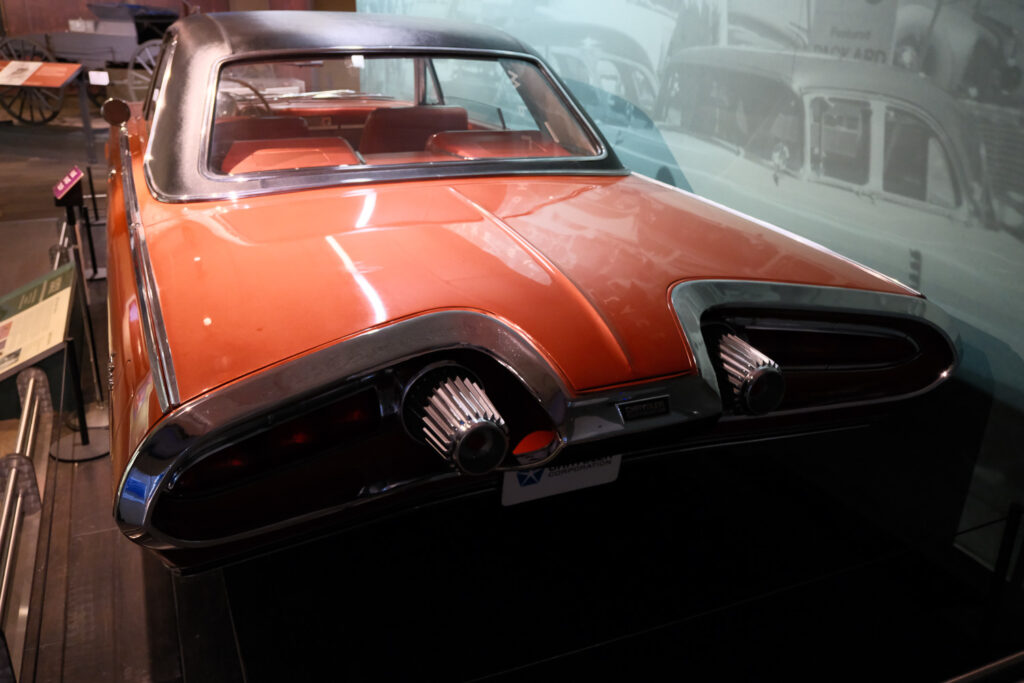
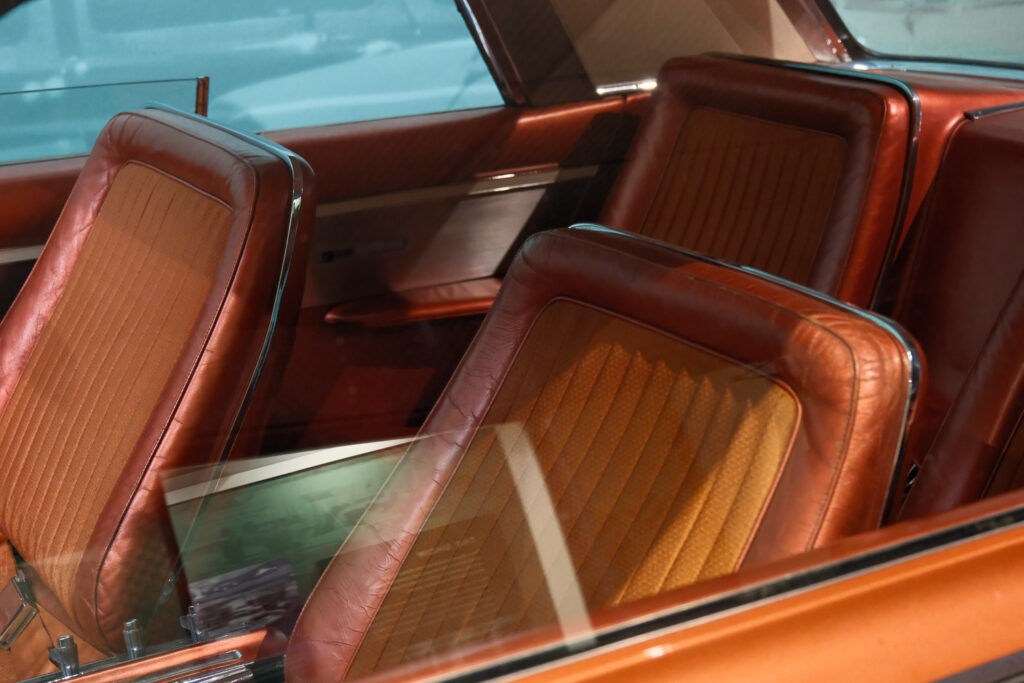
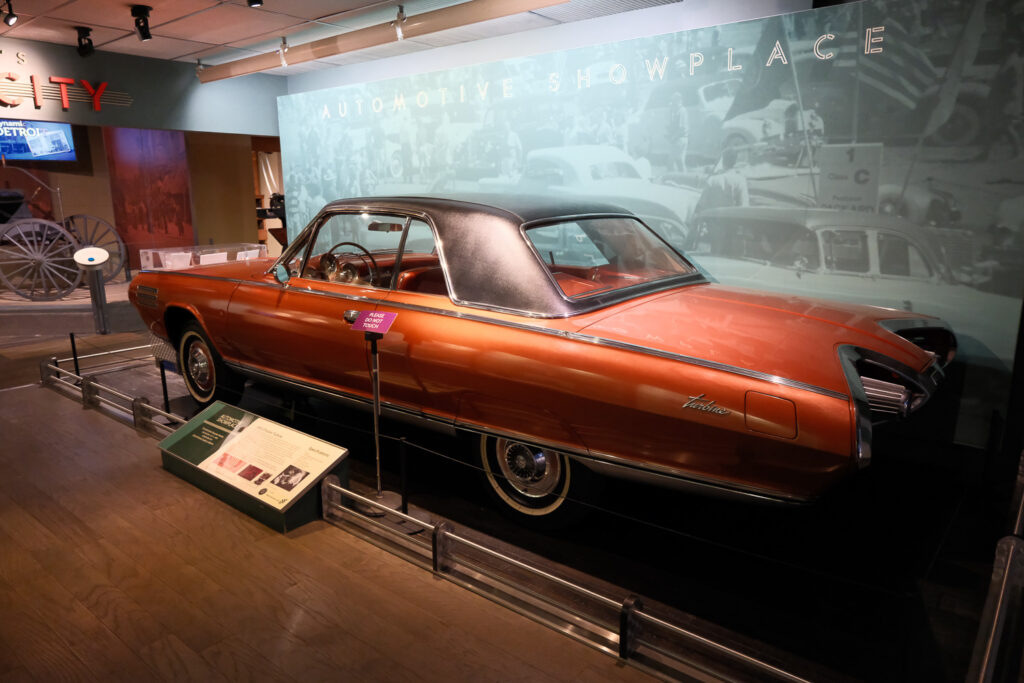
For example, take the famed 1960s Chrysler turbine car. A simple sedan with an incredibly novel motor design. A gas turbine, reminiscent of a jet engine, with a serrated disc driving power to the axles.
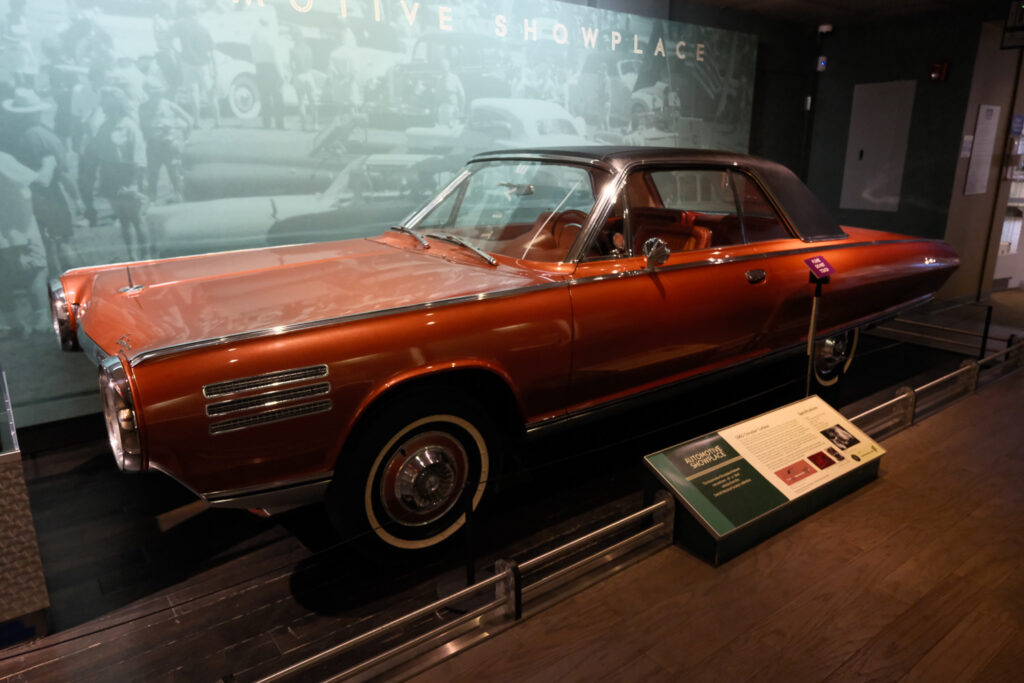
Far simpler than piston engines, with fewer moving parts and even cleaner exhaust, the turbine car was a radical design that promised something new, if not necessarily better. Chrysler produced 55 altogether, with 50 or so loaned out to the public as part of a testing program.
By all accounts, they were incredibly popular with drivers. Compared to the piston-engined vehicles of the day, they were smoother to drive and much more reliable. They had a few drawbacks, like a more complicated ignition procedure, inferior fuel economy, and sounding like a jet engine (though many actually liked the sound).
We never got a chance to see the technology truly play out, however. Chrysler abandoned it by the 1970s, owing to changing government fuel emissions standards, a required condition for a loan from the feds. Chrysler was essentially forced by the government to abandon research into their novel turbine systems.
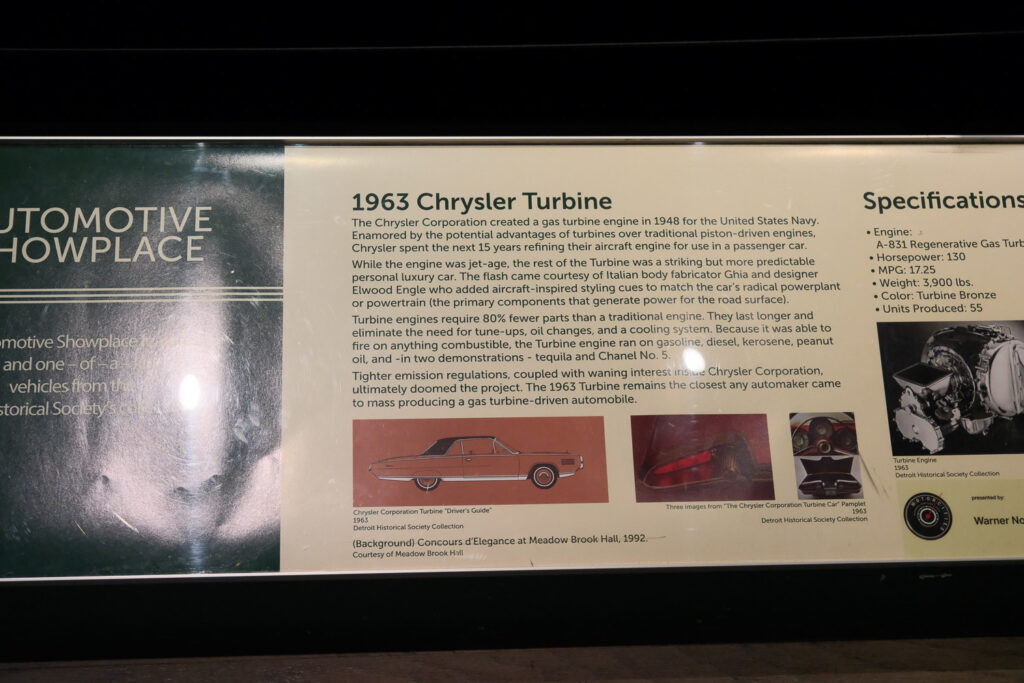
There are many other examples, but this is perfectly emblematic of the shift in automobile design from forward innovation to reaction to government regulation. As regulations increased, designers were forced to spend more time figuring out how to adapt vehicles to regulations than they were able to spend on dreaming up new technology altogether.
The much hated CAFE (Corporate Average Fuel Economy) standards were first enacted in that era, in 1975, and have only been strengthened over the years. They force automakers to meet average fuel economy targets across their entire fleet, with heavy financial penalties for the production of cars that don’t meet targets.
Instead of letting consumers decide which vehicles they want and factor fuel economy into their own economic decisions, the government regulated the design of vehicles from the start. It effectively hamstrung innovation in the automotive sector.
One hated example? The implementation of auto start-stop engines. That annoying feature that makes your car turn off its engine at a red light, only to come back on when you hit the gas. It saves a little gas but decreases acceleration timing from a dead stop and increases wear on your engine.
No automotive designer would have ever come up with that on their own as a design that makes your vehicle better. But under CAFE regulations, they were forced to use their design powers to squeeze every bit of fuel economy they could, even if it led to decreased vehicle performance and increased complexity.
Electric vehicles are, of course, the most obvious example. EVs in the U.S. represent, for the most part, regulatory guidelines wearing a skinsuit of innovation. With all the tax credits and emissions regulations, EVs were the simplest way for automotive companies to sidestep the regulatory mess altogether.
Regulations forced America’s automakers to dive headfirst into implementing battery electric motors prematurely, well before the tech naturally surpassed the internal combustion engine. Battery decay, slow charging, and decreased performance across EV lines have led American customers to mostly steer clear.
Admittedly, some EV makers like Tesla seem committed to true innovation in the sector. The Tesla Cybertruck may be ugly as sin, and we have real doubts about its capacity for serious towing, but you can’t deny that it’s the most distinctive design on American roadways.
EVs aren’t useless, and electric motors have a great deal of future potential on American streets. But the tech should be forced to compete on its own terms, not artificially promoted. We’ll know EVs are better than gasoline engines when Americans start buying them because they’re truly better, not because the government says so.

Regardless, the problem is this—heavy regulatory standards disincentivize true innovation that drives sectors forward and forces automakers to devote that same energy toward meeting standards. It’s the difference between acquiring true knowledge and studying to beat a test.
Automakers should be incentivized to innovate and produce exciting new vehicles and technology by consumer demand, and by competition with each other, not by government rules. That’s why in the golden age of vehicular design, every model was so distinct. Automakers took chances to stand out, and devoted resources towards far flung new ideas, hoping for a home run.
What we have today, instead, is a vehicle market where every car looks the same, apart from a few luxury sportscars at the top end. All of these shapeless, formless neutral colored mid-size SUV blobs on the road, with neutered engines and sluggish acceleration.
It’s been going on for so long, most people don’t even know what it’s like to drive a car with real performance. They care more about the giant iPad screen in the center console than they do about the horsepower in their engine.
Fortunately, the Trump administration led the charge in totally eliminating CAFE standards in 2025, signed into law in the Big Beautiful Bill. The automotive industry is now unshackled, but it will take some time to play out.
One can only hope that the Detroit Auto Show in future years will showcase a return to true design innovation, as the loosened regulatory framework impacts the next few generations of automotive design.
Until then, perhaps wait a little while before purchasing a new vehicle. You don’t know what crazy new tech might emerge next from Detroit, now that designers are free to imagine again.
Bobby Mars is art director of Michigan Enjoyer. Follow him on X @bobby_on_mars.